
EF International Advisors
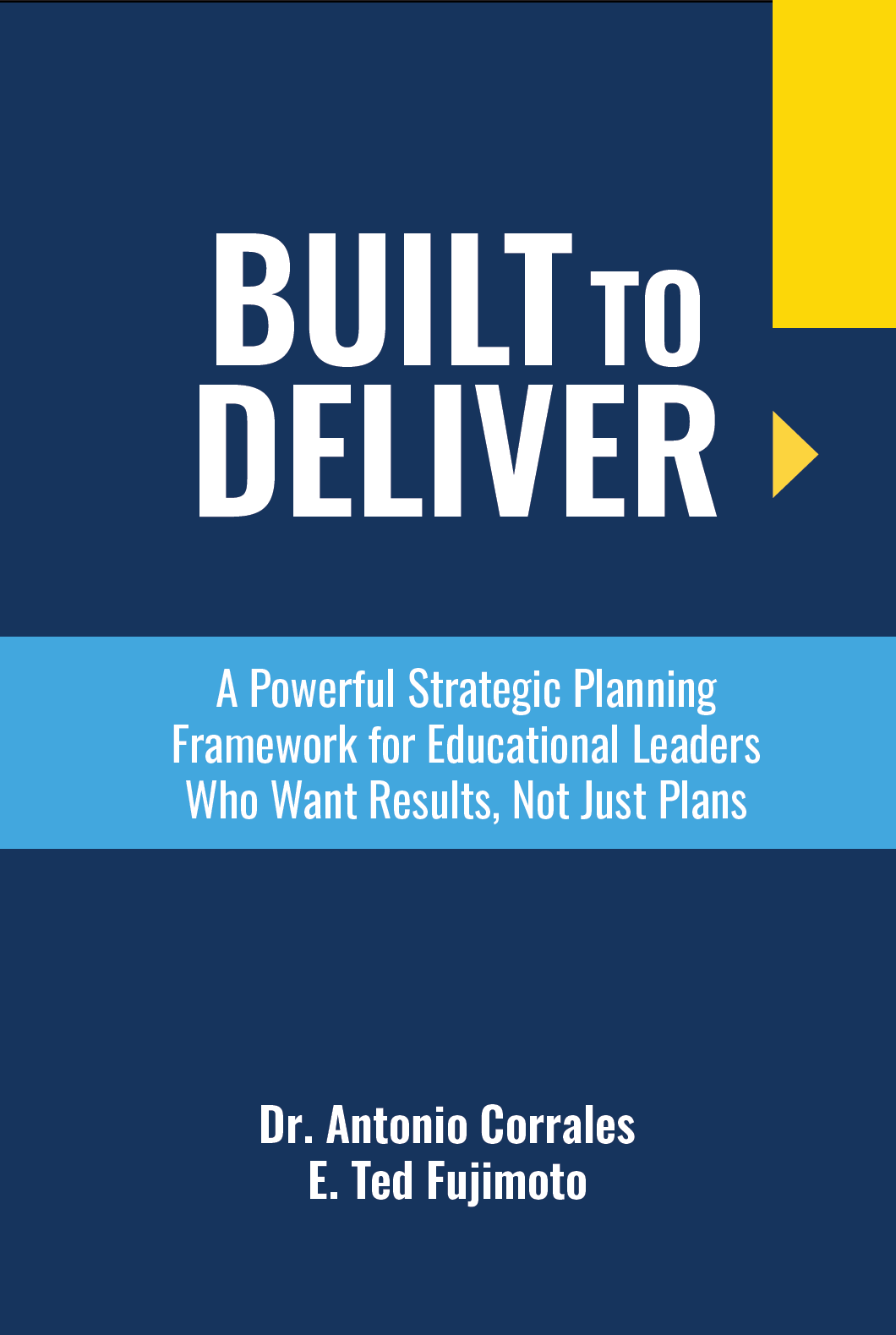
Built To Deliver book cover

Built To Deliver

Book + Strategic Planning Services. Turn bold school visions into visible results.

Built to Deliver is a refreshing and bold take on strategic planning in education... It challenges the status quo by asserting what many in the field feel but rarely say aloud: our students deserve better, and that better starts with us—the leaders.
Dr. Wendy Birhanzel, Superintendent and AASA 2025 Woman Superintendent of the Year
Built to Deliver provides an invigorating and eminently useful rethinking of what it means to ‘plan’ and ‘lead’ in education. The authors redefine educational leadership from a focus on vision and procedures to a detailed, no-excuses playbook on action.
Guilbert C. Hentschke, Dean Emeritus, Rossier School of Education, University of Southern California
Built to Deliver is a blueprint for both new and experienced leaders. For anyone tired of plans that sit on shelves gathering dust, this book is bold, practical, and exactly what’s needed to turn ideas into impact.
Dr. Denise Mustin, District Director and Former School Principal
This book isn’t just another leadership theory—it’s a battle-tested blueprint for real results. Clear. Actionable. Uncompromising.
Dr. Michelle Peters, University Professor and Department Chair
I’ve led through countless planning cycles—many full of vision but short on impact. Built to Deliver is the strategic guide our profession has been waiting for.
Susan Jackson, Deputy Superintendent, Goose Creek CISD
Buy Book Now

Education Solutions for Strategic Growth and Performance Improvement

Our Solutions

EF International Advisors partners with educational institutions and organizations - including K-12 public school districts, charter schools, universities and ed-tech providers — to drive meaningful growth, improve performance and create impactful learning environments. Our team brings agile strategies and proven methodologies to support leaders in navigating change, optimizing operations and enhancing student outcomes.

Data-Driven Insights for Location and Demographic Alignment

Through our Family Vision tool, we help educational institutions align location strategies with community demographics, ensuring schools and programs serve areas with a high density of school-age families. This data-driven approach supports better decision-making around new campuses, program expansions and community engagement, positioning your institution to meet demand and support long-term growth.

Operational and Leadership Risk Assessment

Operational and Leadership Risk Assessment: In the dynamic education sector, mitigating operational and leadership risks is essential. We assess your institution’s management practices, operational processes and leadership capabilities to identify areas of vulnerability. Our assessments help you address potential risks, ensuring the stability and effectiveness of your institution. Where needed, we work directly with school leaders and administrative teams to strengthen operations, ensuring resilience and continuity.

Strategic Planning and Execution for Institutional Growth

Our agile strategy frameworks enable educational organizations to execute their mission with precision and adaptability. We collaborate with school districts, universities and ed-tech firms to develop and implement strategies that drive growth, streamline operations and enhance academic programs. Our methodologies ensure that initiatives align with long-term goals and can adapt to changing educational landscapes, enabling teams to focus on high-impact actions.

Enhancing Stakeholder Engagement and Community Impact

EFIA helps educational institutions foster stronger community ties and stakeholder engagement. Our solutions focus on building trust with parents, students and community members, creating a positive reputation and improving retention. We guide institutions in designing engagement strategies that resonate with families, attract new students and amplify their impact in the communities they serve. By partnering with EFIA, educational institutions benefit from a trusted advisor with deep experience in driving performance improvements, fostering sustainable growth and delivering measurable impact. Our solutions empower educational leaders to focus on what matters most - delivering quality education that transforms lives.

Read More

Featured Services

Family Vision logo

Family Vision

Future-Proof Your Decisions with School-Age Population Forecasts for Investors, Schools and Communities.

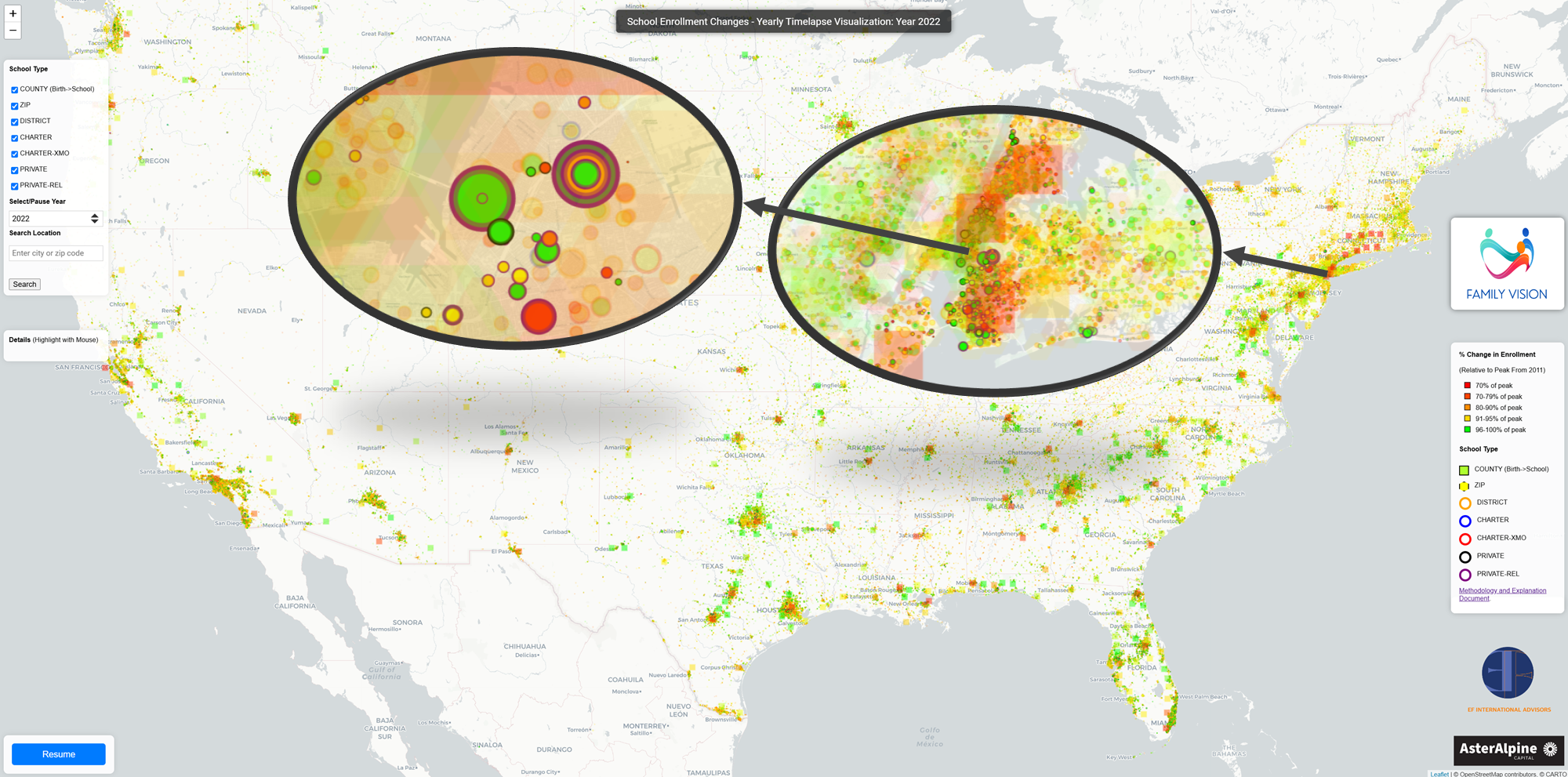
Family Vision is our business intelligence forecasting service that empowers decision-making on school-age demographics and community planning. Integrating historical data with future projections, we deliver a customized demand analysis tailored to your needs, leveraging Family Vision’s dynamic visualization to support investors, businesses, schools and community leaders in anticipating changes in customer demand, risk, school enrollment and infrastructure. Family Vision shows actual historical enrollment trends across all types of K-12 schools - including public, charter and private institutions - and then projects future school-age populations to guide strategic planning. By tracking birth cohorts from birth through K-12 and analyzing these patterns, Family Vision calculates ratios that connect birth rates to anticipated enrollments. These ratios are refined with a 7-year rolling average to smooth out short-term anomalies, resulting in stable, data-driven projections. Through dynamic visualizations, Family Vision enables educational institutions, investors and communities to assess enrollment shifts, anticipate community needs and make informed decisions on resource allocation and growth.

Scope of Services

  • Demographic Forecasting: In-depth analysis of school-age population trends at local, regional and national levels, using historical and predictive data to project future demand.
  • Market and Demand Analysis: Tailored insights into current and anticipated community needs, covering factors like school enrollment trends, family population shifts and neighborhood growth potential.
  • Strategic Planning Support: Customized guidance for long-term investment, marketing and operational planning in alignment with population trends, enabling proactive decision-making.
  • Partnership Facilitation: Identification and support in establishing collaborations with local educational and community stakeholders to align development or investment strategies with community needs.

Deliverables

  • Customized Demographic Reports: Comprehensive, data-rich reports that outline projected school-age population trends and key market indicators specific to client needs.
  • Strategic Insights and Recommendations: Targeted insights with actionable recommendations on how to capitalize on demographic trends for market expansion, resource allocation and community engagement.
  • Quarterly or Annual Updates: Regular updates to keep clients informed of shifts in demographic projections and ensure strategies remain current with evolving trends.
  • Partnership Proposal Materials: Supportive materials for facilitating partnerships with educational institutions or local organizations, aligning investment or development plans with community goals.

Benefits

  • Strategic Enrollment Planning: By integrating historical data with future projections, Family Vision enables institutions to anticipate shifts in student demographics, facilitating proactive adjustments in recruitment and retention strategies.
  • Resource Optimization: Accurate forecasts of school-age populations allow for efficient allocation of resources including faculty hiring, classroom space and educational materials, ensuring readiness for future demands.
  • Infrastructure Planning: Insights into population trends support informed decisions regarding campus expansions, facility upgrades and technological investments, aligning physical infrastructure with projected growth.
  • Community Engagement: By anticipating demographic changes, institutions can strengthen partnerships with local communities, aligning educational offerings with community needs and fostering collaborative initiatives.

Design Studio logo

Design Studio

Building Cohesive, High-Performance Teams and Systems - Organized and Optimized Around Your Brand Promise to Stakeholders.

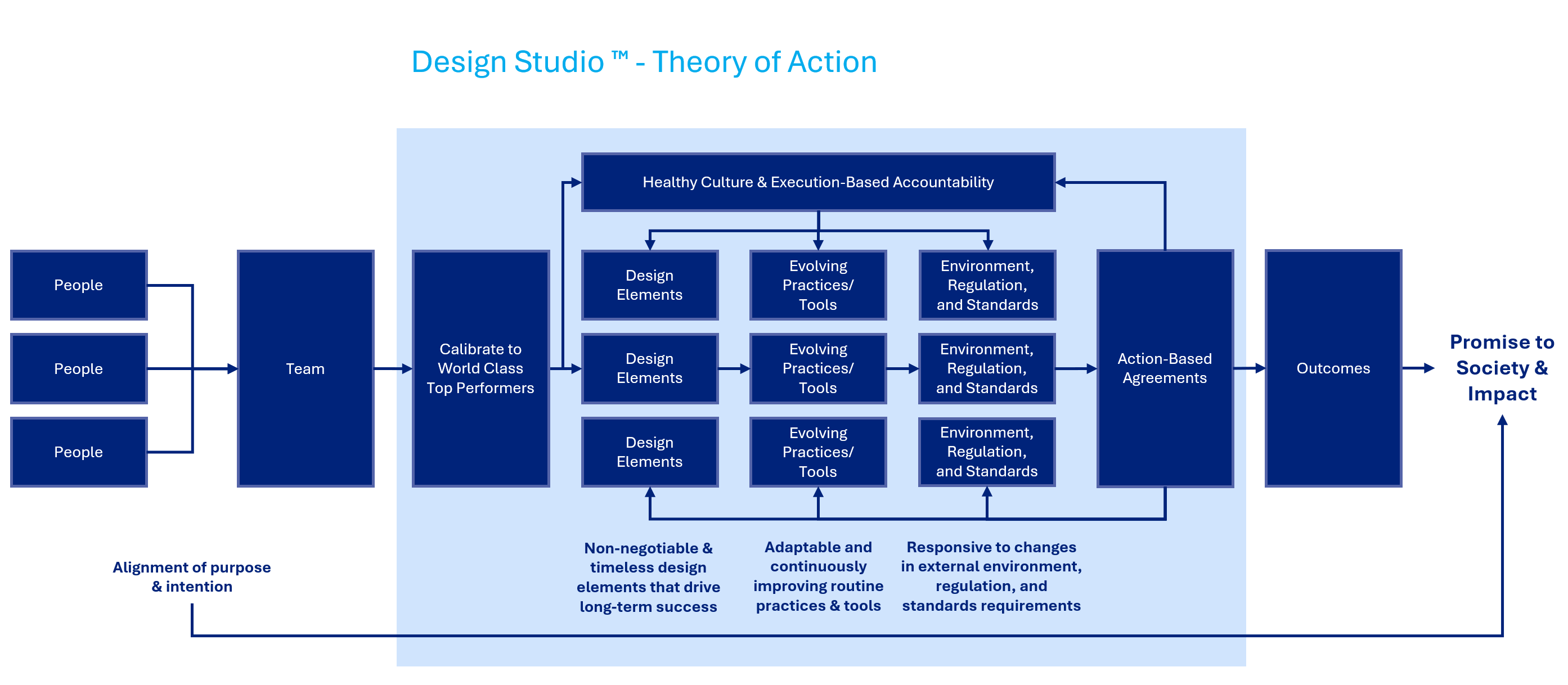
The Design Studio is a transformative service embedding principles from the Agile Action Strategy Process (AASP) to help organizations fully deliver on their brand promise. Through a structured, facilitated process, we align teams, systems and processes to optimize performance. Leveraging design thinking, we work closely with your teams to build scalable frameworks that integrate seamlessly across functions and technology. Ideal for organizations facing mergers, scaling initiatives or performance challenges, the Design Studio equips leaders with agile structures that adapt to market demands and meet stakeholder expectations. By refining core operations and optimizing every layer, our approach helps leaders create resilient, high-performance environments that drive sustainable growth and realize strategic visions. The Design Studio service is structured to support the Agile Action Strategy Process (AASP) by creating a dynamic, adaptable environment that fosters continuous improvement, accountability and alignment with organizational goals and societal impact. This service emphasizes the alignment of purpose and intention among individuals, calibrating teams to the standards of world-class top performers through a combination of non-negotiable design elements, adaptable practices and responsiveness to external changes. The Design Studio supports AASP by embedding agile principles into team processes, fostering intrinsic motivation and driving adaptability. By focusing on action-based accountability, continuous improvement and alignment with societal impact, Design Studio enables organizations to build resilient, high-performance cultures that are responsive to change. This alignment with AASP ensures that Design Studio participants are equipped to adapt to evolving demands while maintaining a commitment to excellence and organizational purpose.

Scope of Services

  • Starting Point: Team Formation and Calibration: Team Formation: Assemble cross-functional teams of up to 15 members, forming cohesive units ready to collaborate. Team Calibration: Align teams with world-class top performers, setting high standards and shared understanding.
  • Iterative Design Sprints: Five Time-Boxed Sessions: Conduct five iterative sessions, each lasting 4-6 hours, spaced 3-4 weeks apart. These sessions function like sprints in the AASP methodology, focusing on specific objectives within each iteration. Backlog Prioritization: Identify and prioritize design elements in a backlog, ensuring that the most critical practices are addressed first. Iteration Planning: At the start of each session, plan the goals and outcomes, aligning them with organizational objectives.
  • Focus on Core Elements Using AASP Methodology: Design Elements: Identify timeless, non-negotiable practices essential for long-term success, akin to defining user stories that drive value. Adaptive Practices and Tools: Develop adaptable practices and tools that respond to changing environments, similar to refining the product backlog in agile processes. Environment, Regulation and Standards: Ensure responsiveness to external changes, aligning practices with current industry standards and compliance requirements.
  • Embedding Execution-Based Accountability: Daily Stand-Ups and Check-Ins: Implement regular check-ins to maintain momentum and address impediments promptly, fostering transparency and accountability. Continuous Feedback Loops: Encourage open communication and feedback, essential for iterative improvement and alignment with AASP principles.
  • Ongoing Coaching and Retrospectives: Coaching Support: Provide continuous coaching to support teams in applying and refining design elements, ensuring sustainable improvement. Retrospectives: At the end of each session, conduct retrospectives to reflect on what went well, what could be improved, and how to adapt moving forward.

Deliverables

  • Articulated Design Elements: Starting Point for Continuous Iteration: Teams identify and document initial key design elements - timeless, non-negotiable practices that drive success. This process serves as a foundation, building the team's capacity to continue iterating and identifying additional elements over time. We initiate this journey, empowering teams to sustain and evolve these practices independently.
  • Codification Framework: Develop a structured guide that simplifies the understanding and communication of design elements across the organization, much like creating a shared definition of done in agile teams.
  • Embedded Iterative Process: Establish continuous improvement feedback loops, embedding an iterative approach into daily operations for ongoing refinement, mirroring the agile cycle of plan-do-check-act.
  • Action-Based Agreements: Create actionable strategies derived from core elements, leading to specific outcomes aligned with the organization's mission. These are akin to sprint goals that keep the team focused on delivering value.
  • Learning and Reflection Documentation: Compile insights, best practices, and lessons learned to serve as a resource for continuous refinement and alignment, similar to maintaining a knowledge base or wiki for agile teams.

Benefits

  • Innovative Teaching and Learning: Educators and administrators collaborate to define and embed timeless teaching practices that drive engagement and improve learning outcomes.
  • Cohesive and Inclusive School Culture: Core values and practices unify staff and students, fostering a supportive and inclusive environment for all.
  • Empowered Leadership: School leaders gain the tools and frameworks needed to adapt to evolving educational standards and student needs while driving meaningful, ongoing improvements.
  • Streamlined Operations for Student Success: Administrative workflows are optimized to reduce bureaucracy, making it easier for educators to focus on student needs.
  • Community and Parent Engagement: Schools build practices for meaningful community engagement, fostering support from parents and the broader community.
Strategy Dojo logo

Strategy Dojo

Achieve Clarity, Agile Decision-Making, and Strategic Insight During Pivotal Moments for Lasting Impact

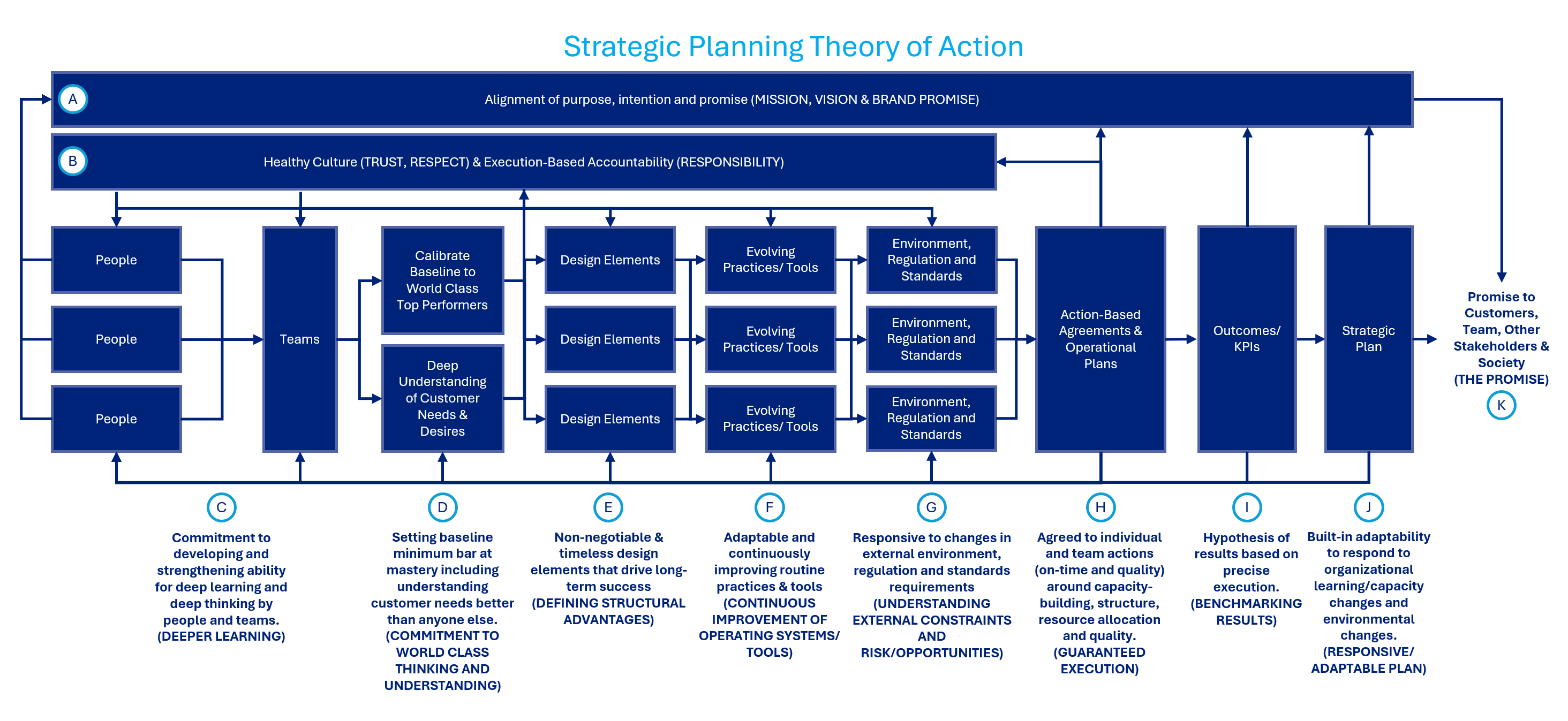
Strategy Dojo equips leaders to navigate their organization's most pivotal moments with confidence and precision. Through focused guidance, it helps leaders gain clarity, make agile decisions, and cultivate strategic insight, driving sustained impact on organizational performance and leadership effectiveness. Through the Agile Action Strategy Process (AASP), Strategy Dojo offers a structured coaching experience that sharpens decision-making, highlights hidden opportunities and minimizes blind spots. Leaders are guided to assess risk and reward effectively, align their teams with shared goals and enhance motivation across their organization. This dynamic approach equips executives with the skills and confidence to navigate complex challenges and drive meaningful, lasting results. Strategy Dojo is a high-impact coaching experience designed to build leaders’ capacity for agile, strategic decision-making that drives sustainable results. Using the Agile Action Strategy Process (AASP) as a foundation, Strategy Dojo equips leaders to clarify their vision, make informed decisions swiftly, and align their teams with shared, high-impact goals. The process develops leaders' ability to assess risk, uncover hidden opportunities, and minimize blind spots, creating a culture of accountability and resilience. By honing these skills, leaders are empowered to navigate complex challenges confidently and deliver meaningful outcomes that fulfill their commitment to stakeholders. The Strategy Dojo is deeply aligned with the Agile Action Strategy Process (AASP), leveraging its principles of iterative refinement, adaptability, and focused action to develop agile leaders. AASP emphasizes quick feedback loops, prioritized actions, and responsiveness to change—elements that are embedded in every aspect of the Strategy Dojo. By guiding leaders through a structured series of coaching sessions, the Strategy Dojo enables them to define core, non-negotiable practices, set clear action agreements, and continuously assess outcomes against strategic goals. This alignment with AASP ensures that leaders are not only prepared to make swift, impactful decisions but also equipped to adapt strategies in real time, fostering a culture of continuous improvement and execution-based accountability across their teams and organization. The Strategy Dojo process follows the Strategic Planning Theory of Action framework, which includes key components to align purpose, culture and execution, enabling leaders to deliver on their organizational promise. Here’s how each stage of the process contributes to building agile, strategic leadership: Strategy Dojo empowers leaders to build a culture of strategic insight, agile execution and accountability, enabling them to drive lasting change and deliver on their commitment to stakeholders effectively and sustainably.

Scope of Services

  • Clarity and Alignment on Core Challenges: Facilitate sessions that help leadership teams clarify their organization’s mission, vision and pressing strategic challenges. This process brings alignment on key issues and provides a foundation for focused problem-solving, enabling leaders to tackle the most urgent and complex matters with a unified approach.
  • Problem Identification and Prioritization: Work with leaders to identify, prioritize and diagnose root causes of specific high-stakes challenges. This prioritization process ensures that efforts are directed toward the issues that will have the greatest impact on organizational success, optimizing resource allocation and leadership focus.
  • Strategic Decision-Making Framework: Develop a structured framework for decision-making that enables leaders to assess risks, evaluate rewards and make informed, cohesive decisions. This framework becomes an essential tool for navigating ambiguity and complexity, empowering leaders to approach challenges with confidence and clarity.
  • Solution-Focused Problem-Solving Sessions: Conduct targeted coaching sessions focused on generating actionable solutions for prioritized challenges. These sessions help leaders move from problem identification to strategic action, with clear plans that address their organization’s critical needs effectively.
  • Cross-Functional Alignment and Accountability Mechanisms: Support leaders in creating actionable agreements that align cross-functional teams and stakeholders around shared goals and responsibilities. This alignment fosters accountability, ensuring that solutions are executed consistently and effectively across the organization.
  • Comprehensive Risk and Opportunity Analysis: Equip leaders with a holistic, 360-degree approach to analyzing risks and identifying potential opportunities. This comprehensive view reduces blind spots and enables leaders to make proactive, balanced decisions in the face of multi-dimensional challenges.
  • Adaptive Strategy Development and Iterative Refinement: Through iterative coaching sessions, leaders learn to refine their strategies based on real-time feedback and outcomes. This adaptive approach, aligned with AASP, allows leadership teams to remain responsive to evolving circumstances, continuously optimizing their approach to complex issues.
  • KPI Alignment and Progress Measurement: Establish key performance indicators (KPIs) and outcome benchmarks to track the effectiveness of implemented solutions. This data-driven approach provides leaders with measurable insights, enabling them to evaluate progress, adjust as needed and stay aligned with strategic objectives.

  • Reflective Leadership and Retrospective Analysis: Facilitate retrospective sessions for leaders to reflect on outcomes, assess the impact of their decisions and identify insights for continuous improvement. This reflective practice strengthens leaders’ ability to approach future challenges with greater strategic insight and adaptability.
  • Sustained Coaching for Agility and Resilience: Provide ongoing coaching support to help leaders continually refine their skills, respond to emerging challenges and maintain strategic momentum. This sustained support builds resilience within the leadership team, fostering a culture of agile problem-solving and accountability.

Deliverables

  • Strategic Alignment Framework: Leaders develop a document that clearly outlines the organization’s mission, vision and aligned strategic priorities, creating a foundation for cohesive decision-making and problem-solving across the leadership team.
  • Problem Identification and Prioritization Report: Teams identify and prioritize high-stakes challenges, complete with root cause analysis and initial diagnostics, ensuring focus on issues with the greatest impact potential.
  • Custom Decision-Making Framework: Leaders create a structured, data-informed decision-making tool to assess risk, evaluate opportunities and make cohesive decisions in complex situations.
  • Actionable Solution Plans: Teams produce clear, solution-focused action plans for each prioritized challenge, with detailed steps, responsibilities and timelines to address critical organizational needs effectively.
  • Cross-Functional Accountability Agreements: Leadership establishes formal agreements that outline roles, responsibilities and expectations for cross-functional alignment, promoting accountability and shared goals across teams.
  • 360-Degree Risk and Opportunity Assessment: Leaders conduct a holistic assessment to gain a comprehensive view of risks and opportunities, reducing blind spots and enabling proactive, balanced decision-making.
  • Iterative Strategy Development Guidelines: Teams create a framework for adaptive strategy refinement, incorporating feedback loops and iterative steps to enable real-time adjustments and responsiveness to evolving conditions.
  • KPI Dashboard and Progress Metrics: Leaders develop a customized dashboard with key performance indicators (KPIs) and benchmarks to monitor progress and measure the effectiveness of solutions, using data-driven insights for ongoing evaluation.
  • Leadership Reflection and Retrospective Reports: Teams generate summary reports from retrospective sessions that capture lessons learned, key insights and areas for improvement, supporting continuous leadership development and strategic growth.
  • Ongoing Coaching and Support Schedule: Leaders establish a plan for continued coaching and support to maintain momentum, adapt to new challenges and reinforce strategic alignment over time.

Benefits

  • Improved Strategic Clarity: Helps educational leaders align on mission and vision, making decisions that directly support student success and institutional goals.
  • Data-Driven Decision-Making: Equips leaders with frameworks to use data effectively, helping them make informed decisions that improve educational outcomes and operational effectiveness.
  • Resilience to Change: Strategy Dojo prepares leaders to adapt to shifts in educational standards, funding challenges, and evolving student needs, ensuring they can steer their institutions effectively in uncertain times.

  • Fostering a Culture of Accountability and Growth: Supports leaders in establishing accountability mechanisms that align staff, faculty, and administration with strategic goals, enhancing engagement and a shared commitment to improvement.

A few of our education clients

Where it began

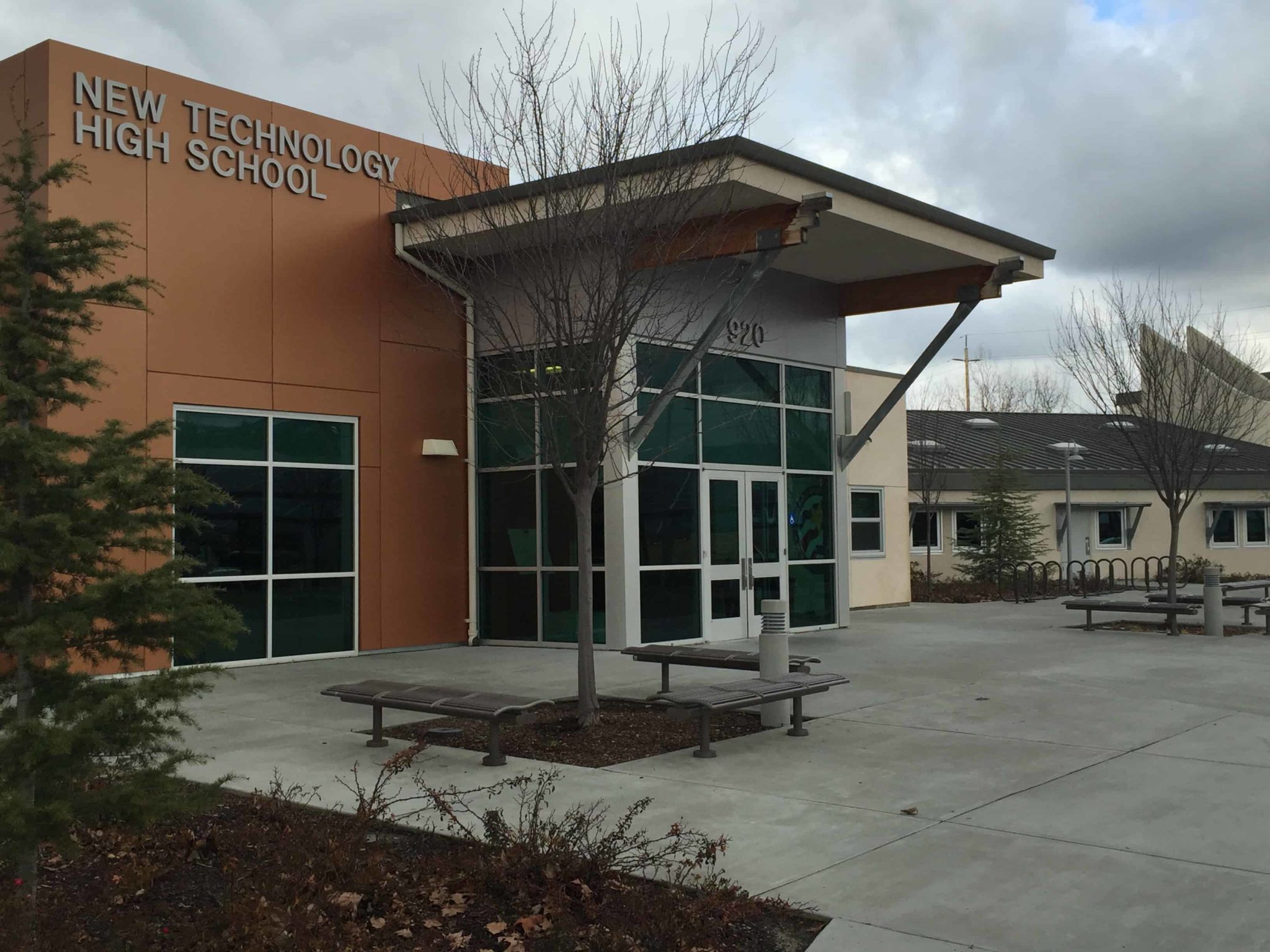
In 1992, Ted Fujimoto relocated his technology company, Landmark Consulting Group, and was struggling to find employees that had the skills to work on complex projects. By 1996, in collaboration with the business community and the school district, he co-founded the creation and design of the Napa New Technology High School - a groundbreaking alternative district public high school for struggling students.
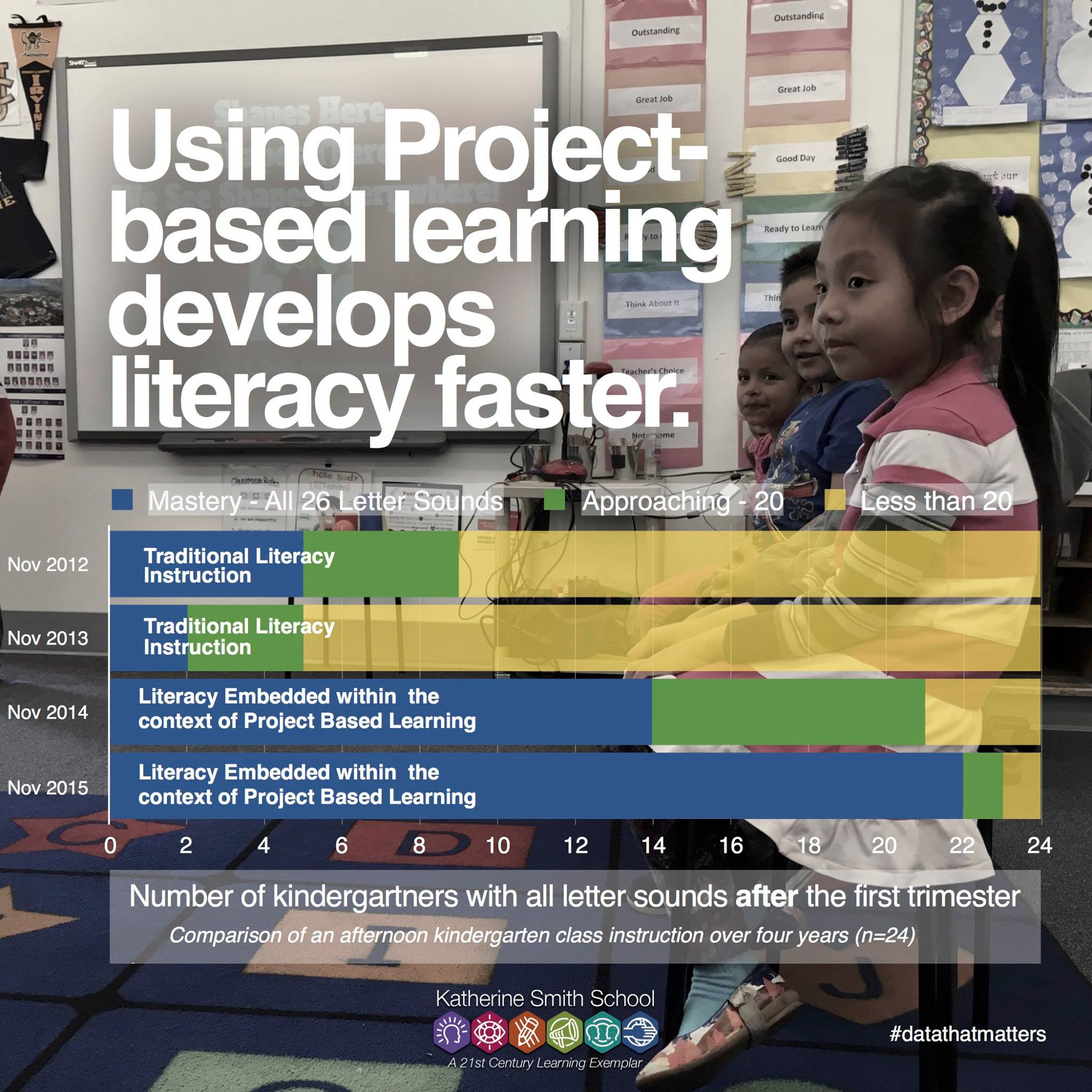
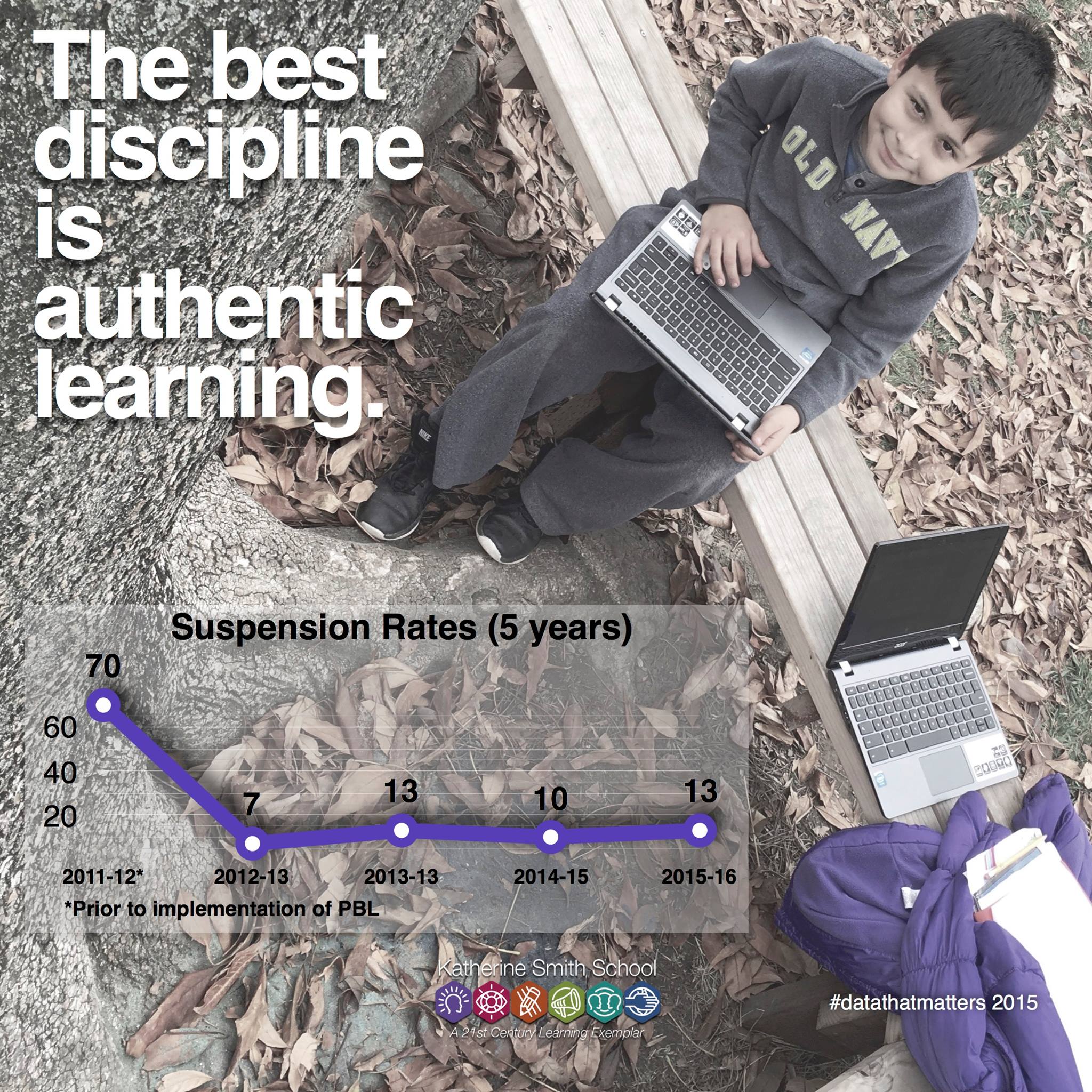
This innovative institution embraced a radical approach with no lectures, only workshops and all learning through projects to solve real-world problems. With an intentionally created culture of trust, respect and responsibility, students thrived. Ted's company provided the school with project management protocols and tools, mirroring those used in real-life scenarios. This laid the groundwork for what is now widely recognized as "Project-Based Learning."

The success was evident early on with students so engrossed in their projects that many had to be urged to leave the school building by 7:30 PM. Within the first year, Napa New Technology High School surpassed every other high school in the County in all academic measures - a testament to the power of authentic learning, student engagement and intentional school design.

Napa New Technology High School became a U.S. Department of Education National Demonstration site and has hosted over 22,000 visitors and trained over 232 schools from 6 continents.

Ted then co-founded the New Technology Foundation which utilized inspired methods from Ritz Carlton and other world-class organizations to scale with impact and quality through intentional design, culture and execution-based accountability. It has evolved to what is now known as the New Tech Network - a national school design network with over 350+ schools (mostly public district schools), 20,000 educators and over 100,000 graduates.

New Tech Network — 1996 to Today

schools
+350
educators
+20,000
graduates
+100,000

Scaling Impact

Around the same time as the establishment of Napa New Technology High School, Big Picture Learning (The MET) emerged in Providence, Rhode Island. This initiative took an even more radical approach to engage at-risk students, focusing not only on projects but predominantly on learning through internships.

In 1998, Ted Fujimoto collaborated with the Big Picture Learning founding team to formalize the timeless and essential school design elements crucial to the success of their model. Additionally, he played a pivotal role in developing their strategic plan. This collaboration helped propel Big Picture Learning's two schools to a global network encompassing over 275 schools - another testament to the enduring impact of innovative education strategies.

Ted also helped create the pivotal strategic plans for a number of the early charter school management organizations that opened up dozens of schools.

Big Picture Learning

schools
+275

Boosting Performance

The journey to provide a structured approach to improve the quality of established schools started when Ted Fujimoto was asked to develop the overall strategic plan and help launch the California Charter Schools Association with the focus on support services to help the movement grow with quality. He subsequently trained and help build the capacity of the school support teams of 16 other state charter school associations. Landmark Consulting Group oversaw the evaluation of proposals for all Federal School Improvement Grants for the State of Louisiana.

Walton Family Foundation engaged Landmark Consulting Group to work in six states along with the charter school associations to shape a strategy and develop programs to boost the quality of charter schools. This spawned the Elevate Charter Schools improvement program that worked with charter school leaders and boards to understand the obligations of their charter contract and create and/or implement school designs.

Elevate Public Schools: Empowering struggling schools to redesign and helping high-performing schools sustain and scale their success.

Elevate Public Schools

states
7
charter school state associations
17
school improvement grant evaluations
Federal

Ready to Turn Strategy Into Results?

Schedule a meeting to learn how EFIA can help your institution drive growth, improve performance and deliver measurable impact.